NCERDNational Centre for Energy Research and Development, UNN
HomeResearch

Research units and facilities

Eight research units and a set of laboratories for analysis, testing and fabrication in renewable and alternative energy.

8Research units
10Featured instruments
Our mandate

Research across renewable and non-renewable energy

NCERD UNN was established to carry out research, development, dissemination, commercialisation and manpower training in renewable and non-renewable energy technologies.

Its work covers solar, biomass, biofuels, wind, hydro, geothermal, fossil fuels, energy management and environment. The Centre also mounts short courses, diploma and degree programmes in renewable energy technologies, in collaboration with academic departments of the University of Nigeria, Nsukka and other institutions.

To place the Centre in the forefront of research and development, innovation in knowledge transfer in renewable and alternative energy technologies, energy management and environment.

Mission of the Centre
Research units

Eight research units

01

Solar Photovoltaic

Solar cells convert sunlight into electricity. Linked into modules and arrays, they power lighting, water pumping, communications (repeater and GSM stations, TV and radio), audio-visual aids and computers in schools, cathodic protection, battery charging, vaccine refrigeration and telemetry.

The Centre has facilities for monitoring the performance of PV components and systems, to make sure they meet international standards and perform well in the local environment. Alongside research on solar cell fabrication and performance, NCERD installs solar electricity systems for commercial and domestic users and runs intensive training on PV installation and maintenance for youth empowerment.

Unit head: Mrs. C.A. Nwanya
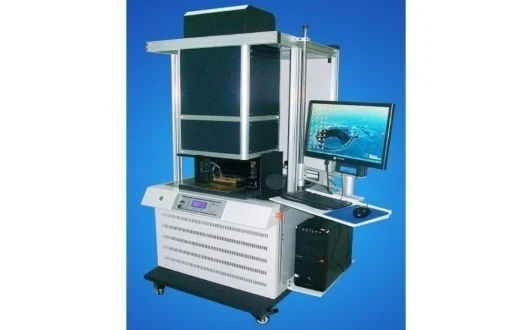
Solar PV Cell Tester at NCERD
Solar PV Cell TesterTesting solar cells
02

Biomass and Biogas

Biogas work at the Centre began in 1994, when two members of staff went to China for a three-month training course in biogas technology. The Centre now designs and fabricates family-size and commercial bio-digesters.

Digesters of various capacities, running on animal dung, farm waste and brewery effluent, have been developed and installed, and have proved efficient at producing cooking gas for private and public users. The Centre has also built efficient biogas burners, and is moving on to using biogas for electricity generation and as an alternative to petrol and diesel in engines. Slurry from the digesters has been used as fertiliser for crops.

Unit head: Dr. (Mrs.) N.F. Oparaku
03

Solar Thermal Energy

Solar thermal technology turns sunlight into heat for industry, homes and businesses. The unit has developed prototype solar food dryers and solar manure dryers, to improve the handling, storage and use of agricultural produce.

It has developed solar water heaters from 100 litres to over 500 litres, and solar cookers. The unit pioneered research into passive solar energy for poultry brooding, producing pollution-free solar chicken brooders, and has also developed small solar incubators.

Unit head: Engr. O.N. Okala
04

Energy Management and Environment

Energy use in homes, businesses and institutions involves considerable waste, while energy prices rise every year. For some Nigerian businesses, cutting the energy bill is an urgent priority to stay profitable, and better energy efficiency can reduce costs dramatically.

The unit works on energy efficiency and the management of energy resources, on assessing cost-effectiveness, and on making energy production and use environmentally friendly.

Unit head: Engr. I.F. Okafor
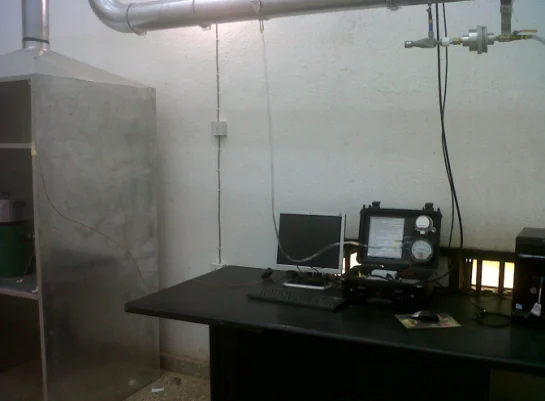
Laboratory Emissions Monitoring System at NCERD
Laboratory Emissions Monitoring SystemPM, CO and CO₂ from domestic biomass cookstoves
05

Wind and Meteorology

The Centre built a one-year wind data bank (2005–2006) using a CR10X data logger, with wind measured at 9 metres above the ground. Because wind energy increases with height, the results show that a turbine at about 50 metres could support utility-scale wind energy, and that NCERD may have class 3 sites suitable for electricity generation.

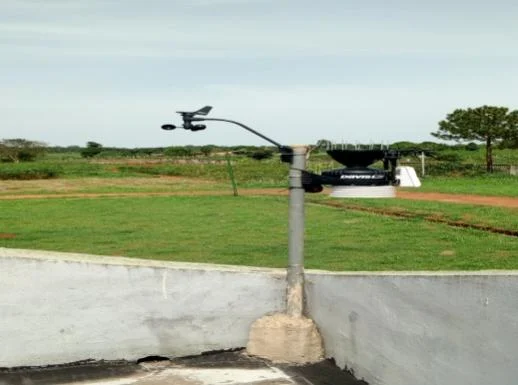
A weather station at the Centre records wind speed, wind direction and other weather conditions. The unit's work focuses on expanding this database through continued data collection.

Unit head: Dr. P.E. Ugwuoke
Weather Station at NCERD
Weather StationWind speed, wind direction and weather conditions
06

Fossil Energy

Fossil energy drives national economies, as coal and petroleum did in the industrial revolutions of Europe and America. Nigeria's proven reserves are sizeable: natural gas (4,497 MMTOE), petroleum (4,635 MMTOE) and coal (2.7 billion tonnes), with oil shale and bitumen. Research will shape how these fuels are used.

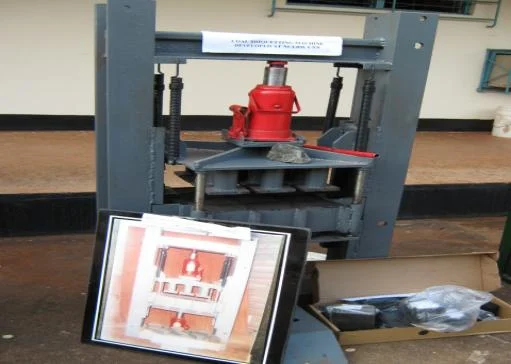
The Centre works on coal briquetting, and has shown it can turn Nigeria's friable, non-agglutinating coal into compact, smokeless solid fuel for homes.

Unit head: Dr. I.S. Eze
Coal Briquetting Machine at NCERD
Coal Briquetting Machine0.5 tonnes per day capacity
07

Energy Information and Manpower Development

The EIMD unit was created to spread the Centre's research and build skills in renewable energy. It identifies skills gaps and runs workshops for Nigerians on solar PV, solar thermal, biomass and wind, and on energy efficiency and management.

The unit organised a two-batch AutoCAD course for NCERD staff, and intermediate courses on solar PV system design and installation for engineers and technologists in 2012, 2019 and 2021. Other training has included inverter fabrication. Its staff, drawn from different backgrounds, also carry out collaborative research in their base units.

Unit head: Dr. C.N. Anyanwu
08

Research Library and Information

Research depends on good collection, storage and retrieval of information. The Centre's special library offers lending, reference and other information services, with books, journals, conference and workshop proceedings, newsletters, periodicals and reference materials on renewable and alternative energy.

The library supports other departmental libraries of the University of Nigeria, Nsukka, with information, technical support and practical guidance during students' industrial training and project research.

Facilities at the Centre

Research facilities

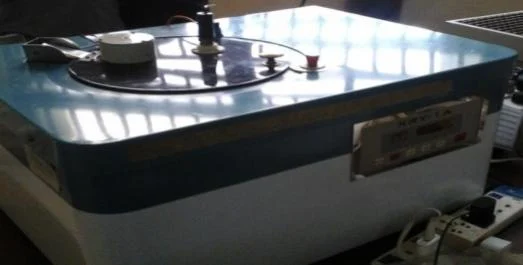
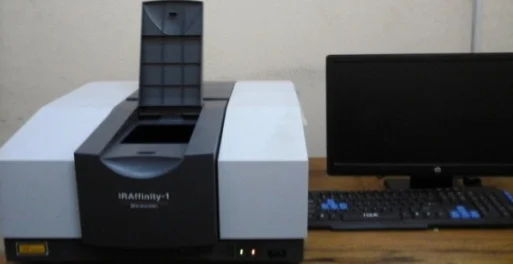
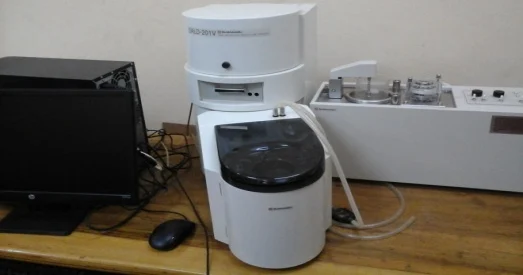
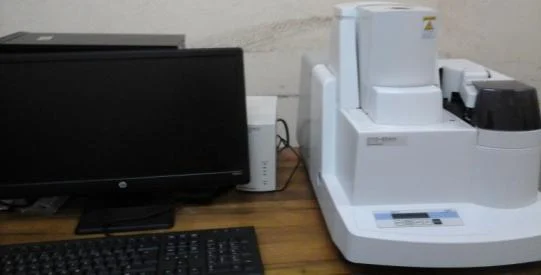
Some of the research equipment at the Centre.

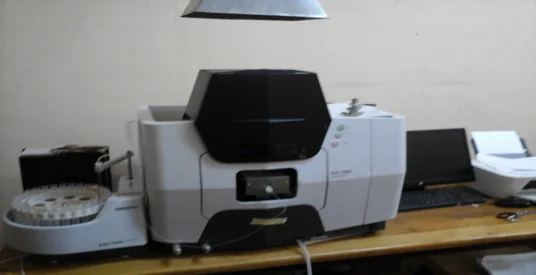
Atomic Absorption Spectrophotometer at NCERD
Atomic Absorption SpectrophotometerMetal analyses
Oxygen Bomb Calorimeter at NCERD
Oxygen Bomb CalorimeterCalorific value determination
Fourier Transform Infra-Red Spectrophotometer at NCERD
Fourier Transform Infra-Red SpectrophotometerCharacterisation of samples
Particle Size Analyser at NCERD
Particle Size AnalyserDetermination of particle sizes
Thermo-gravimetric Analyser (TGA) at NCERD
Thermo-gravimetric Analyser (TGA)Study of compounds during heating
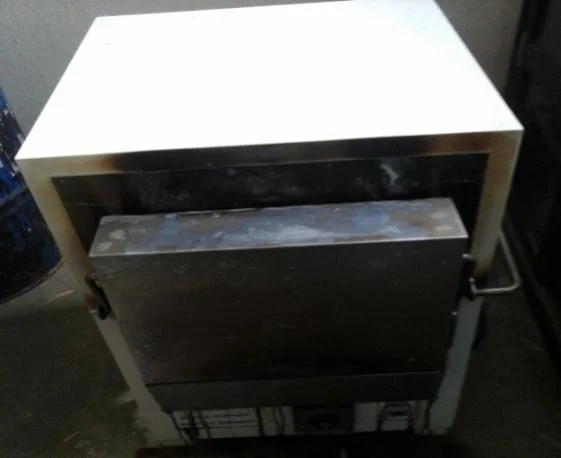
Muffle Furnace at NCERD
Muffle FurnaceAshing and carbonisation
Laboratory Emissions Monitoring System at NCERD
Laboratory Emissions Monitoring SystemMeasuring PM, CO and CO₂ from domestic biomass cookstoves
Solar PV Cell Tester at NCERD
Solar PV Cell TesterTesting solar cells
Weather Station at NCERD
Weather StationRecording wind speed, wind direction and weather conditions
Coal Briquetting Machine at NCERD
Coal Briquetting Machine0.5 tonnes per day capacity

To use the Centre's laboratories for analysis or testing, contact the Centre.