Vision
A functional, globally comparable and competitive centre for research and development in renewable and alternative energy technologies, responsive to the energy and economic needs of Nigeria and beyond.
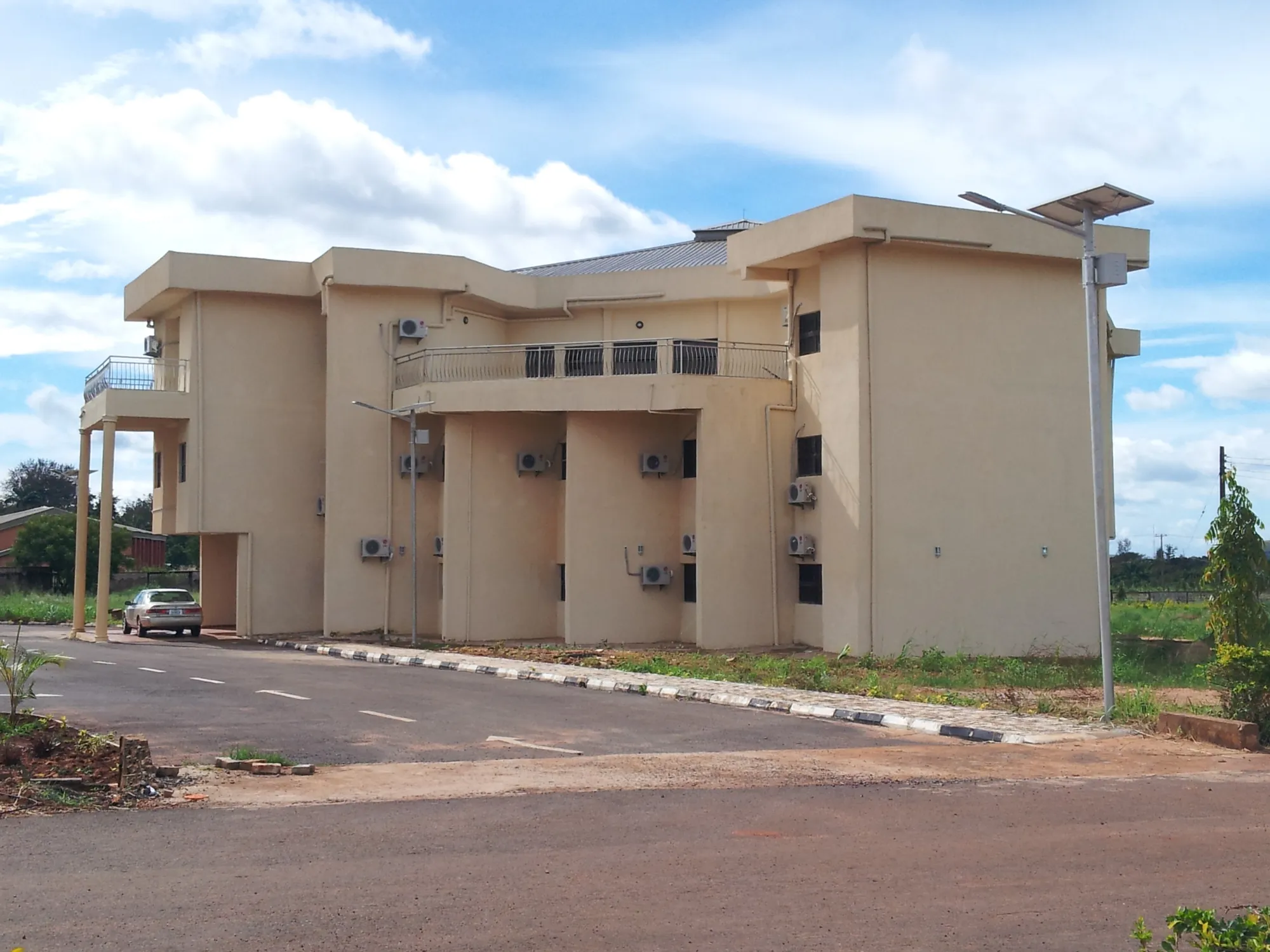
One of Nigeria's earliest energy research centres, working on renewable and alternative energy on the Nsukka campus of the University of Nigeria since 1982.
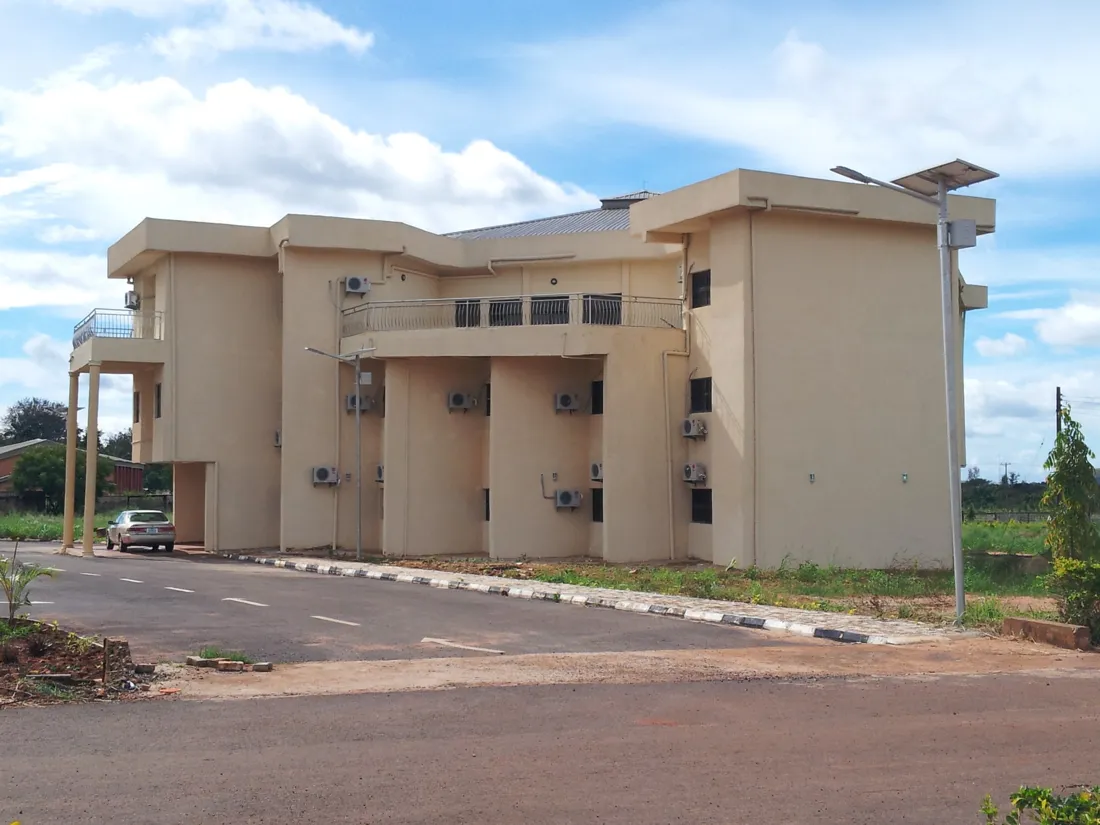
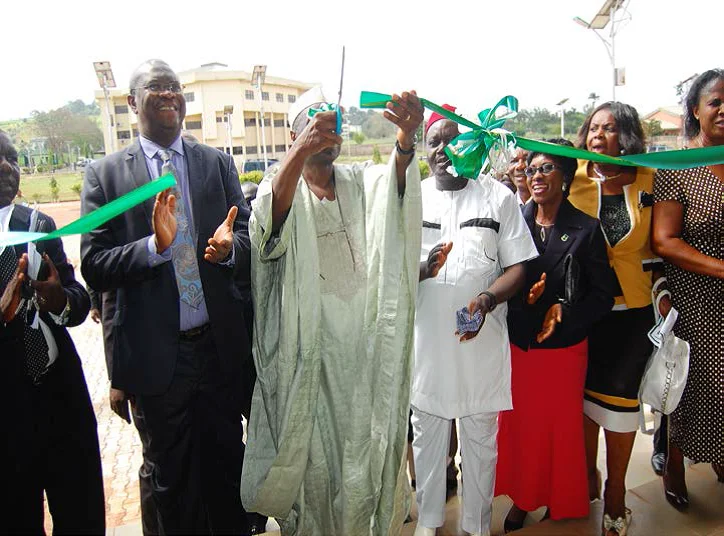
NCERD is hosted by the University of Nigeria, Nsukka, and supervised by the Energy Commission of Nigeria, which lists it as the Commission's centre for research in solar and renewable energy.
Projects are carried out with staff of the University's departments, including mechanical and agricultural engineering, physics, statistics, economics and sociology, and the Centre welcomes proposals from researchers in every discipline.
A functional, globally comparable and competitive centre for research and development in renewable and alternative energy technologies, responsive to the energy and economic needs of Nigeria and beyond.
To place the Centre in the forefront of research and development, innovation in knowledge transfer in the areas of renewable and alternative energy technologies, energy management and environment for sustainable development of the nation.
Research, development, dissemination, commercialisation and manpower training in renewable and non-renewable energy: solar, biomass, biofuels, wind, hydro, geothermal, fossil fuels, energy management and environment. The Centre also mounts short courses, diploma and degree programmes in renewable energy technologies with UNN departments and other institutions.
Act No. 62 creates the Energy Commission of Nigeria to coordinate the country's energy resources.
An Act of the National Assembly establishes the Centre at Nsukka, alongside three other research centres.
The Centre begins full work on the Nsukka campus, funded directly by the Federal Government.
Decree No. 12 of 1988, and Decree No. 19 of 1989, charge the Energy Commission with supervising the centres.
Two members of staff train in biogas technology in China, starting the Centre's work on bio-digesters.
A one-year wind data bank (2005–2006) is built with a CR10X data logger, measuring wind at 9 metres.
NCERD hosts the 4th International Conference and Training Workshop with GIZ, alongside solar PV training.
The 5th edition is held at the Centre, physically and virtually, on post-COVID-19 energy solutions.
A new call for papers opens with a 20-day practical solar PV training workshop.
The world energy crisis of the 1970s showed the need to harness energy sources beyond fossil fuels. Although Nigeria has abundant fossil fuel reserves, growing demand in homes, commerce and industry meant the country could not rely on them alone. In 1980 the Federal Government established NCERD, among other energy research centres, to develop the country's abundant solar and alternative energy sources.
Source: NCERD UNN information documentThe University was founded by Dr. Nnamdi Azikiwe in 1955 and formally opened on 7 October 1960, as the first land-grant university in Africa. Its Nsukka campus covers 871 hectares of hilly savannah, about 80 km north of Enugu.
Source: NCERD conference venue page, ncerd.com.ngAn Act of the National Assembly established the Centre in 1980 along with three other research centres. It started full operation in 1982, funded directly by the Federal Government.
Sources: energyresearch.unn.edu.ng; unn.edu.ngIn its early years the Centre was active in solar, biomass and coal energy utilisation, energy consumption and energy policy studies, working with UNN departments of mechanical and agricultural engineering, physics, statistics, economics and sociology.
Source: unn.edu.ngThe Centre was first housed in a multi-purpose building with seven offices, a small laboratory, small mechanical and electrical workshops, a library, a seminar room and a conference centre, with a computerised solar collector test rig and an attached meteorological station.
Source: unn.edu.ngDecree No. 12 of 1988 and Decree No. 19 of 1989 gave the Energy Commission of Nigeria the legal mandate to supervise the research centres. The Commission now oversees a national network of energy centres.
Sources: energyresearch.unn.edu.ng; energy.gov.ngHeads named in published sources include Dr. C.N. Anyanwu (former Acting Director), Dr. P.E. Ugwuoke (Acting Director in the Centre's published directory) and the current Acting Director, Engr. Dr. Izuchukwu Francis Okafor.
Sources: TEA-LP; energyresearch.unn.edu.ng; energy.gov.ng
The Commission is headquartered at Plot 701C, Central Business District, Abuja.
University of Nigeria, Nsukka
Usmanu Danfodiyo University, Sokoto
University of Lagos
University of Ilorin
University of Benin
Abubakar Tafawa Balewa University, Bauchi
Confluence University of Science and Technology (CUSTECH), Osara, Kogi State
We offer technical consultancy, produce our devices on request and train engineers, scientists and technicians. COREN lists NCERD among its renewable energy and energy efficiency training partners.